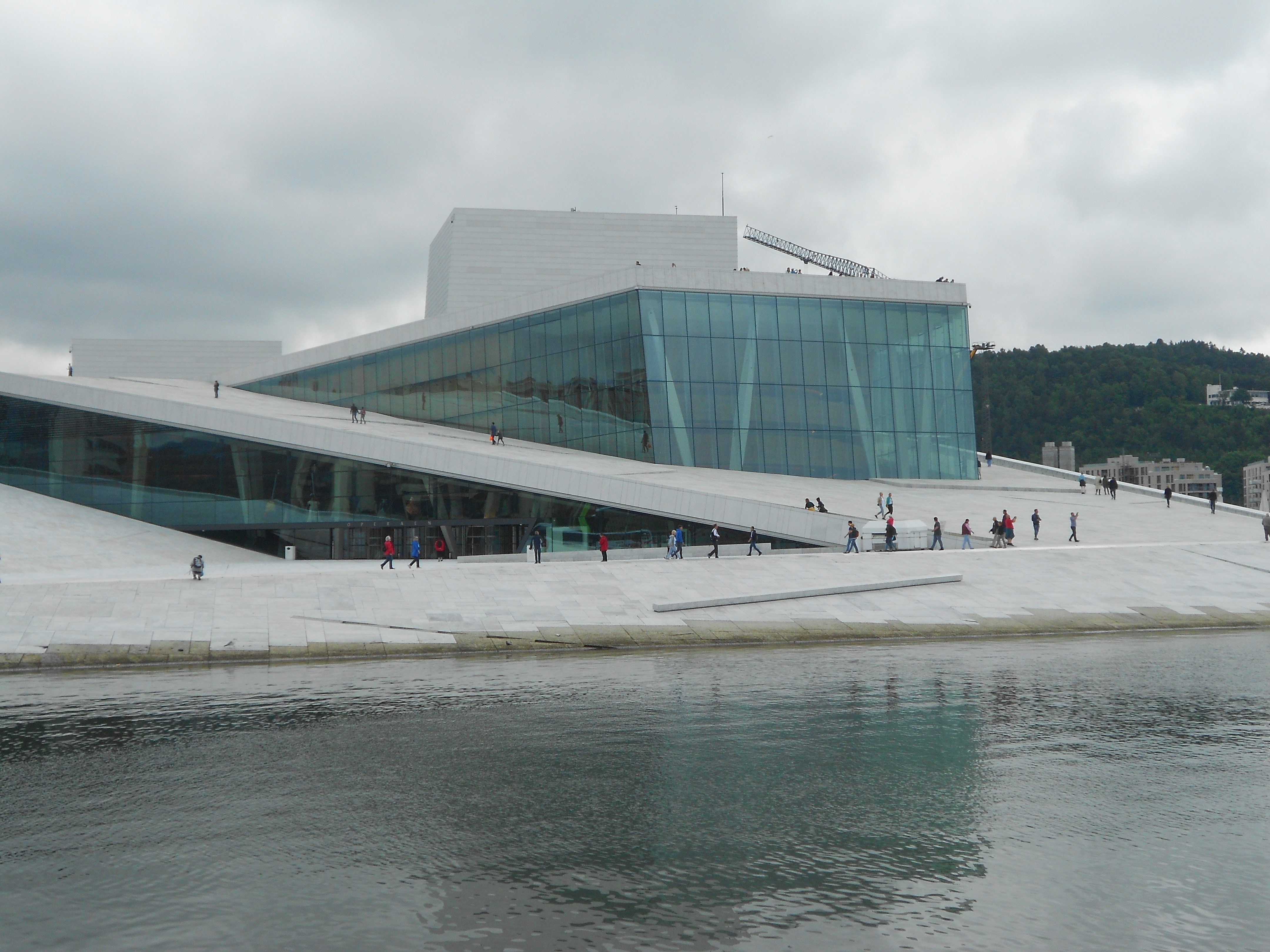
A roof you can walk on. A library where you can stay without ordering anything. A stretch of waterfront that gives you somewhere to sit between destinations. Oslo becomes interesting through these invitations. Norway’s capital sits at the head of the Oslofjord, and its waterfront offers a particularly revealing introduction to the city: architecture at the scale of a skyline, followed by the smaller decisions that make a place comfortable to spend time in. Begin beside the water and pay attention to what the city allows you to do there.
The waterfront had to be made accessible
The connection between central Oslo and the fjord has been reshaped through years of redevelopment. Bjørvika, once occupied by a container port and a major highway junction, is now an extension of the city centre with cultural buildings, homes and public spaces. The harbour promenade connects different parts of this changing waterfront. VisitOSLO’s guide, updated in September 2026, describes a route of almost ten kilometres. You do not need to walk its full length to understand the idea. Choose a section and notice how often it lets you approach the water, change direction or pause.
A landmark that becomes part of the walk
At the Oslo Opera House, Snøhetta made the roof a public platform. The sloping surfaces turn the building into a landscape that visitors can explore, giving the city a meeting place as well as a performance venue. That gesture changes the relationship between architecture and its audience: you can encounter the building through movement before taking a seat inside. Pale stone, broad glass surfaces and the water create a spare exterior palette. In the foyer, an undulating oak wall brings a different warmth. The contrast is worth noticing, as is the way the building offers several kinds of experience within one address.
Make time for the library
Nearby, Deichman Bjørvika brings another public interior into the waterfront story. Oslo’s main library includes places to read and study, art installations, workshops and a cinema, with views towards the fjord from its upper floor. The wider Deichman service describes its libraries as places where people can read, work, relax, meet friends or simply be alone. That is a generous brief for a building. For a visitor, stopping here can give the day a different pace: put the itinerary away, find a seat and experience the city through a space that also belongs to its daily life.
At Sørenga, the edge becomes a place to stay
Sørenga occupies a former container dock, with residential buildings, a park and places to spend time beside the water. At its southern end, the seawater pool gives the neighbourhood a particularly direct relationship with the fjord. In summer, swimming is part of the appeal; at other times, the views and waterside spaces are reason enough to visit. Look back towards the Opera House and the city takes on a different shape. This is a useful reminder that the spaces around buildings can matter as much as their façades. A comfortable place to stop changes how long you stay and what you notice.
Follow the older waterfront west
For another chapter, explore Aker Brygge, where former shipyard buildings sit alongside more recent architecture, restaurants, shops and homes. Akers Mekaniske Verksted operated here for more than a century, leaving an industrial history visible within a very different present. The mix gives this part of the waterfront its own character. Continuing towards Tjuvholmen brings more architecture and art into the walk. Treat these areas as a second outing if you prefer a shorter day. The pleasure comes from having time to look, rather than reaching every waterfront landmark before evening.
Notice what makes a public place useful
A striking skyline is only one measure of a waterfront. At ground level, ask more ordinary questions. Is there somewhere to sit without making a purchase? Can you find shelter when the weather changes? Does the route make sense without repeatedly checking a map? Are the water and the view available beyond restaurant terraces? These are the questions we would bring to Oslo’s shore. Its promenade, library and walkable Opera roof offer different examples of how design can support a visit, while the everyday details help you judge the experience for yourself.
Let the season set the length of the day
For a first visit, begin with the Opera House and Deichman, then continue towards Sørenga if the weather and your energy allow. Save Aker Brygge and Tjuvholmen for a longer walk or a separate afternoon. In cooler months, give indoor stops more room in the plan and check opening hours and outdoor access before setting out. There is no need to turn the shore into a test of distance. A short walk, time in a public building and a final look across the fjord can be enough to make Oslo feel more specific. The city becomes memorable through the places where you were able to linger. for those who notice.
Sources
- VisitOSLO · The harbour promenade, updated September 2026
- VisitOSLO · Bjørvika and its redevelopment
- Norwegian National Opera & Ballet · The house’s architecture
- VisitOSLO · Deichman Bjørvika, Oslo’s main library
- Deichman · The public library’s purpose and facilities
- VisitOSLO · Sørenga and its waterfront
- VisitOSLO · Aker Brygge’s shipyard history
Photograph: Góngora / Wikimedia Commons, July 2016. CC BY-SA 4.0. Displayed with a responsive crop and muted colour treatment; the adapted image is available under the same licence.
Discover places to eat, stay and spend time through the Nordic Way My Way lens.