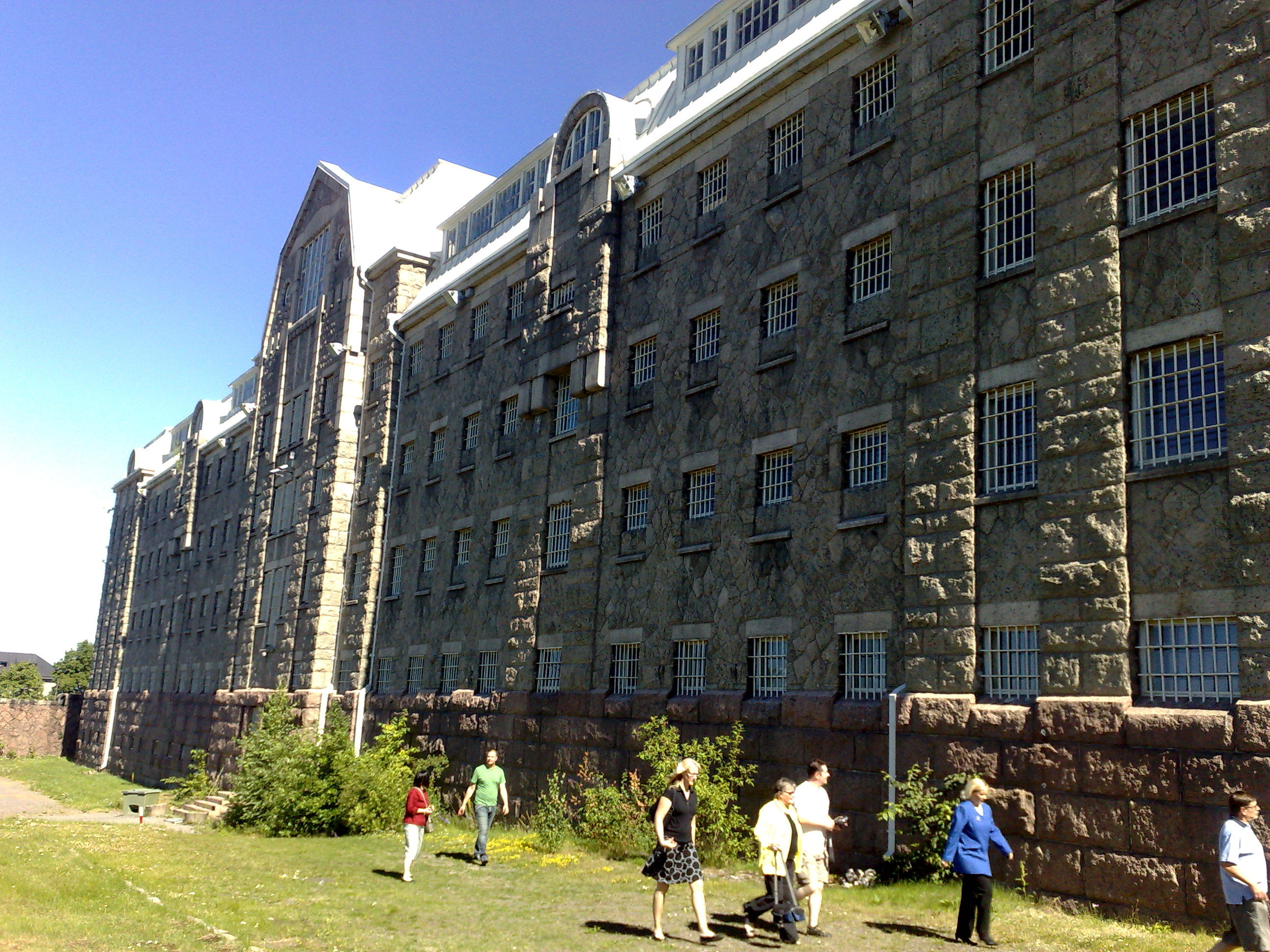
A bakery is an unexpected reason to visit a former prison. So is a restaurant reservation, or the prospect of spending a night somewhere people once hoped to leave. On Kakolanmäki hill in Turku, these possibilities now sit within the same story. The old prison complex has become part of a neighbourhood where people live, work, eat and stay. For anyone discovering Finland beyond Helsinki, it offers a compelling place to begin: a city encountered through the buildings it has kept and the uses it has found for them.
First, a little geography
Turku is in southwestern Finland, beside the River Aura and close to the Finnish archipelago. It is the country’s oldest city and its former capital; Helsinki became the capital in 1812. You may also see Turku called Åbo, its Swedish name. The river provides a useful starting point for understanding the city, with Kakolanmäki rising above it. Our route follows one particular part of Turku, rather than trying to compress the whole city into a weekend checklist. Start beside the water, look towards the hill and allow the architecture to introduce the place.
A hill with a complicated past
Kakola is often described as a former prison, but the hill held several institutions, including the central prison, county prison and a prison hospital. The granite building completed in 1853 began as a workhouse and correctional facility before becoming a prison a decade later. Prison operations moved to Saramäki in 2007. The buildings then entered a new chapter, with redevelopment bringing homes and businesses to the site. Hotel Kakola opened in the former county prison in September 2020. This is a transformation that has unfolded over years, with different parts of the complex finding different futures.
The architecture is part of the reason to go
The appeal begins with the encounter between a substantial old building and an ordinary contemporary activity. Walking in for coffee changes the way a former institutional setting is experienced. Its scale and materials remain present, while the purpose of the visit has shifted. Kakola makes that relationship unusually visible. For a reader interested in interiors and design, it raises a useful question: how much of a place can remain recognisable as its function changes? Look at the façades, the rhythm of the windows and the relationship between buildings before moving inside. The setting deserves as much attention as the destination.
Begin with bread
At bageri Å, sourdough gives the visit a practical starting point. Visit Turku describes a bakery serving bread, buns and croissants, with coffee from Kakola-based Frukt Coffee Roasters. The bakery’s own website continues to list its Kakola location alongside a second location at Turku’s market square. That distinction matters when planning a visit: choose the hilltop address for this route. Bread and coffee make a useful introduction to the area because they leave room for an unhurried look around. Check the bakery’s current opening days before setting out, as the two locations keep different schedules.
Stay long enough for dinner
Kakolanruusu adds another reason to spend time on the hill. Its shared dining format, Kakola’s Feast, places a sequence of dishes at the centre of the table, while the restaurant also offers drinks and a lounge bar. Nearby, Kakola Brewing Company has its own connection to the site’s working past: it began operating from the former prison kitchen in 2018. Together, these businesses give the neighbourhood more than one rhythm. A morning stop, an evening meal and an overnight stay each reveal a different use of the same setting. Choose the experience that interests you, rather than treating every address as an essential stop.
Keep the earlier story in view
A prison’s history cannot be contained in an atmospheric photograph. The Kakolanmäki Hill Museum, housed in the former warden’s stables, holds photographs and objects connected with the site, including material donated by the families of former guards. For visitors, it offers a way to give the earlier life of the hill some attention alongside its restaurants and hotel. Check seasonal access before planning around it. Reusing a building can give it a future; understanding what happened there gives that future context. Both belong in a thoughtful visit.
Let the route continue into Turku
After Kakola, the nearby Port Arthur neighbourhood, also called Portsa, offers a change of scale through wooden houses, narrow streets and cobblestones. These are residential streets, best explored with consideration for the people who live there. Return towards the Aura and the city begins to feel less like a collection of destinations. Stone, timber, water and everyday businesses form a more particular picture. Kakola is the unexpected introduction, but Turku is the larger discovery: a Finnish city worth meeting through its details, and through the ways its old spaces are being lived in now. for those who notice.
Sources
- City of Turku · History and introduction to the city
- Hotel Kakola · The history of Kakolanmäki Hill
- Visit Turku · bageri Å
- bageri Å · Locations and current opening times
- Kakolanruusu · Restaurant and dining
- Visit Turku · Kakola Brewing Company
- Visit Turku · Kakolanmäki Hill Museum and Cafe Kakola
- Visit Turku · Kakola, Portsa and other neighbourhoods
Archival exterior photograph: Sammyfinland / Wikimedia Commons, public domain. Shown with the Journal’s muted colour treatment.
Discover more Nordic cities, cultural stories and everyday details in the Journal.