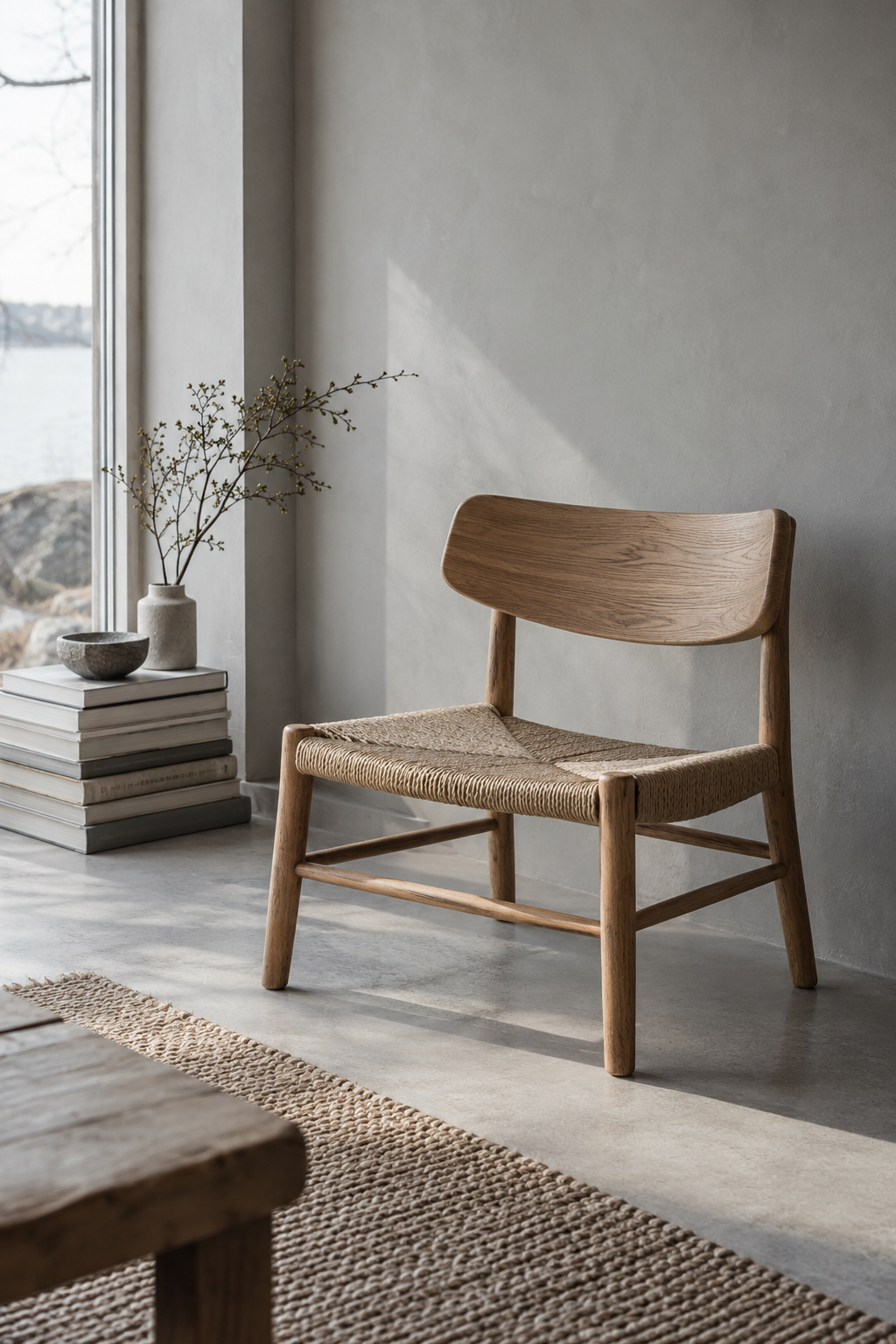
Design culture is always producing new objects. New chairs, new lamps, new tables, new systems, new editions. Some arrive with immediate attention, then quickly begin to look attached to the year they were made. Others stay in circulation more quietly, becoming useful enough, loved enough or culturally relevant enough to outlast the moment.
New does not automatically mean temporary
A new object is not necessarily a trend object. Sometimes newness comes from a fresh surface, a louder colour or a form designed to be noticed quickly. But it can also come from a better way of solving a familiar problem. That distinction matters. At Stockholm's unofficial design week in 2026, several presentations seemed less interested in spectacle than in material experiments, updated historical forms and emerging designers testing how objects could behave in real spaces. The question was not only whether something looked new, but whether it added anything worth keeping.
Function tends to age better than spectacle
Furniture that stays relevant often has a practical intelligence at its centre. It works repeatedly, without needing to announce itself each time. A stool that stacks. A chair that can move between a dining table, a desk and a public room. A lamp that gives the right light without becoming the main character. This is one reason older Scandinavian designs remain useful decades later. Alvar Aalto's Stool 60 has stayed in production since 1933 not because it performs nostalgia, but because its form continues to make sense. The lesson is not that every new design should look like a classic. It is that use has a way of revealing what design culture can miss at launch.
Distinctive is different from fashionable
A lasting object does not need to be invisible. In fact, many enduring designs are highly recognisable. The difference is whether their identity depends on a short-lived mood. Contemporary Nordic design is becoming more expressive, but the strongest work often still carries a sense of discipline. A piece can be colourful, emotional or sculptural and still feel controlled. It can have character without turning into a visual joke. What tends to age badly is not personality, but obviousness. When an object only speaks the language of its exact decade, time eventually hears the accent.
Materials remember how something was made
The physical life of furniture matters. Wood darkens. Leather softens. Metal marks. Upholstery wears. Some materials become more beautiful through use, while others simply look tired. This is where craftsmanship and repairability become more than sustainability language. They shape whether an object can remain in a home after the first perfect photograph. Recent conversations around material innovation, circular production and responsible sourcing suggest that endurance is no longer only aesthetic. It is technical, emotional and environmental at once. A piece does not need to be precious to last. But it does need to survive contact with daily life.
A classic is partly decided by time
No designer, brand or fair can declare a new object permanent. That decision belongs partly to culture and partly to use. A design lasts because people keep returning to it, repairing it, moving it, inheriting it, reissuing it or finding new reasons for it to belong. This is why predicting future classics can feel slightly dishonest. We can notice the conditions that help: usefulness, material integrity, a clear point of view, adaptability and emotional presence. But we cannot know which objects will gather meaning over time. Perhaps the designs that matter in 20 years will not be the ones that look the most futuristic today, but the ones we continue finding reasons to live with.
Furniture, objects and everyday pieces chosen for function, material quality and the way they live in a home.